It was 2019.
I was on my first pure photography trip to Masai Mara.
It was still early in the evening but with thunderous dark clouds gathering fast around us, it was rapidly turning dark and murky.
Lying in front of us were two male lions, two famous brothers, now well past their prime. We waited. There was high chance that they would get up as the sun went down and if it rained as seemed likely, there was a possibility of getting a dream image. Once it started raining, sooner or later the lions would definitely shake the water off their manes.
I wanted that image. The shaggy manes in furious motion, droplets of water flying everywhere – it was a classic image and I too wanted it.
I picked up my 600 mm lens, wanting to fill the frame with the lion’s head. And, as one of the lions sat up and lifted its massive head, I was absolutely ready and shot a burst of images. As we drove back to camp later that evening, I was feeling a deep sense of satisfaction.
It was a different emotion when I actually saw the images on my laptop screen. There was a stab of disappointment as I glumly scrolled through all my images of the moment. Most of them weren’t sharp enough; there was some blur or the other in almost every image. Morosely, I picked up one which I felt was the sharpest.
A couple of years later, I went back to these images and as I went through the same images, I now felt that many were more powerful than I had realized.
The one below is my favorite of the lot.
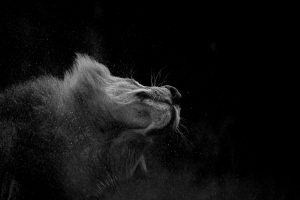
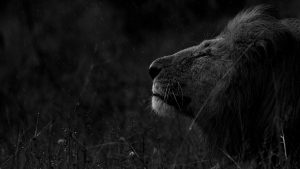
It most certainly isn’t sharp, there is clear motion blur in the image. What was visible of the lion’s face had some of the details blown off. But I felt there was a feeling of raw power, a magnetism in the image. The bent whiskers show the strength of the movement, the complete lack of detail in the manes now told me about the thickness of the luxurious mane. There wasn’t a lot of water around the head but that helped the eye to focus solely on the magnificent head.
Another image from that evening caught my eye. It was a very simple one, a side shot of one of the lions, head slightly raised, eyes closed as light rain fell on him. Looking at it, I felt there was something very calming, peaceful even melancholic about it; an old lion enjoying the feel of rain in the autumn of his life.
How I look at an image, what I look for in an image had changed.
And it’s been a journey, not just one radical shift one fine day, and a journey that will continue as long as I photograph.
Early in my photography the question that I was asking was – how can my photographs be different?
That question started dictating the choices I was making in the field.
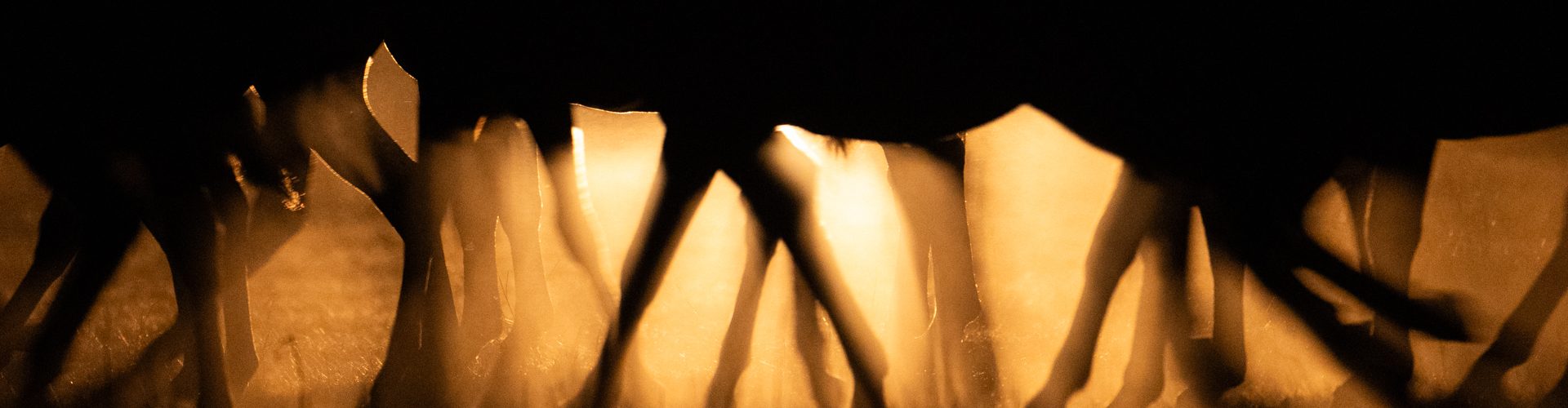
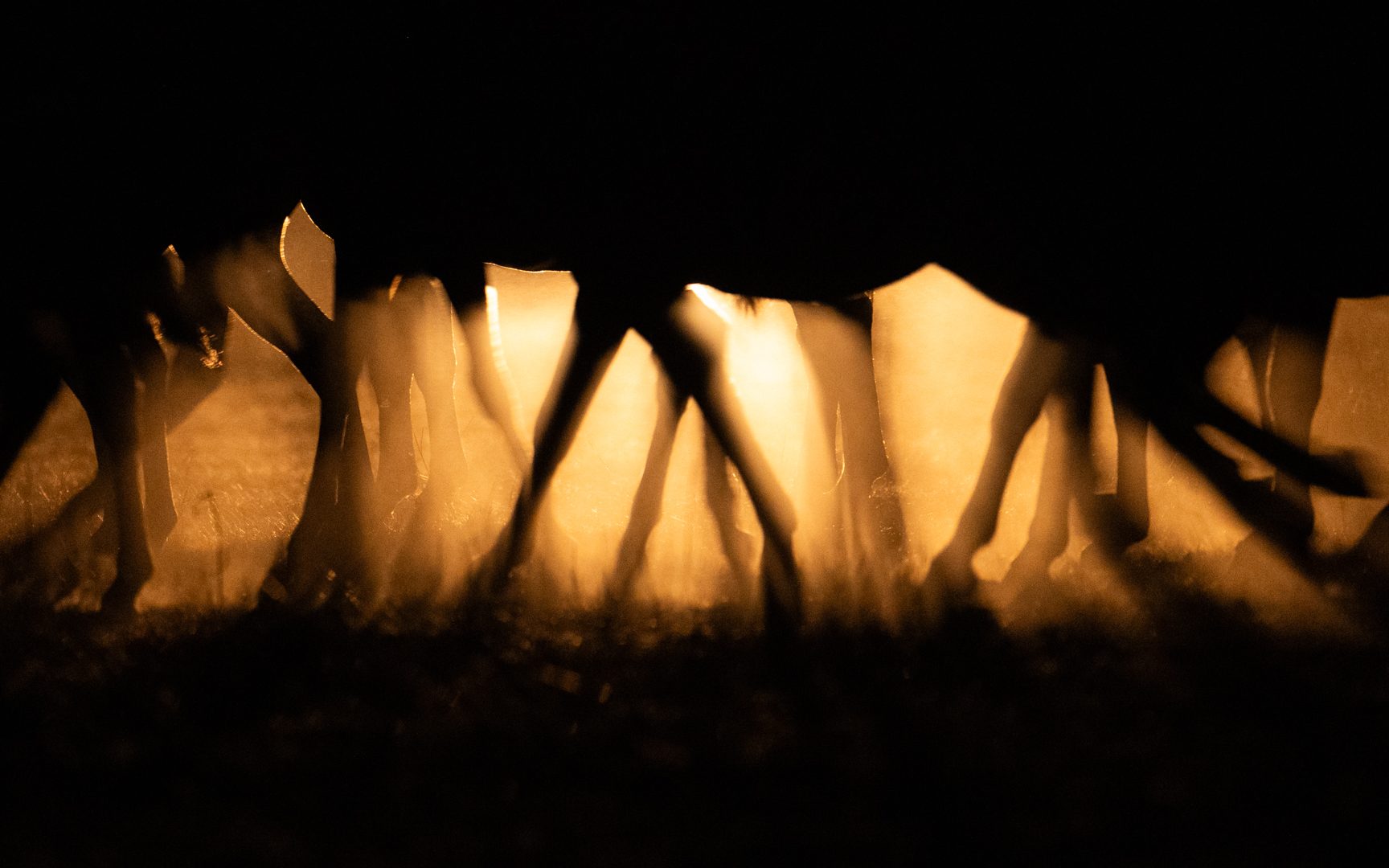
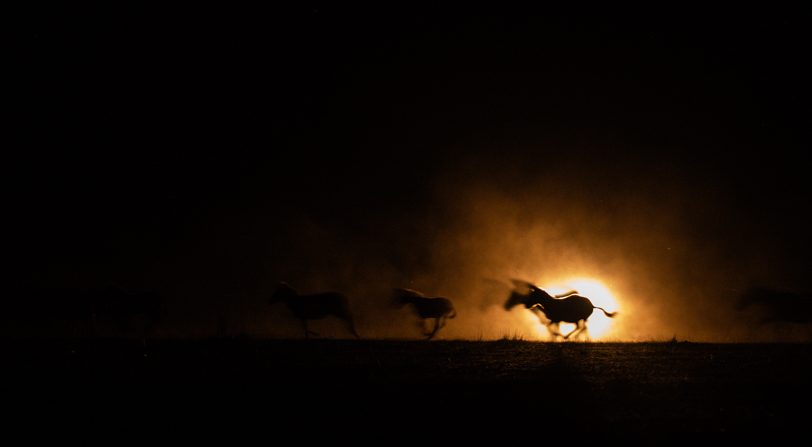
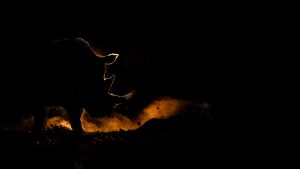
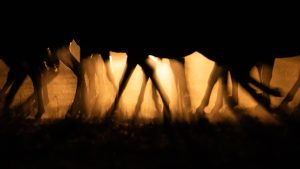
The first change took place in my relationship with light. No longer was I searching for positions where the light was directly behind me, the subject beautifully and perfectly lit. I started looking for shadows, for the play of light. Drama and intrigue were what I started searching for in my images.
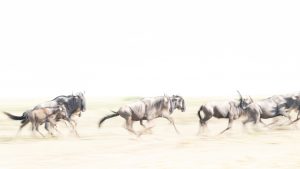
Another change was with sharpness. Sharpness ceased to be the most important aspect of my images. I started playing with my shutter speed, loving the feeling of motion that could be conveyed through a still image. I enjoyed making images often look like the easy fluid brush strokes of a watercolour painting.
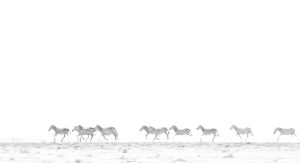
The change that came most easily was the one with space.
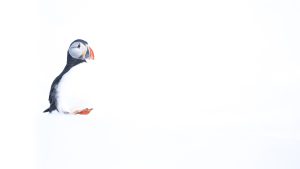
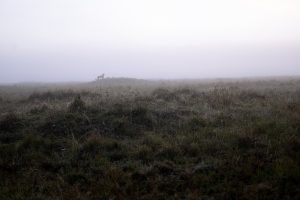
Twyla Tharp in her brilliant book, The Creative Habit, had asked – What is your focal length? What she meant was that all of us have a natural inclination to either get close up into the details or step back and take a larger, broader view. She said that it’s good to know what your natural inclination is so that you know when you need to break out of it. That was one of the most defining lessons for me. My natural inclination is to zoom out and look at the big picture and while I embraced it easily, I became conscious of when to go for a tight close shot.
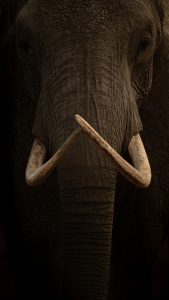
As I started working with and learning how to play with these factors, I arrived at a different question.
My question changed from How can my images be different to What am I trying to convey through my images.
While light, speed and space were fascinating to experiment with, I was now experiencing discomfort with using these for the sake of using them. I wondered if I was trying to be different for the sake of being different.
The Australian photographer, Adam Williams, had said that true art must move the viewer to tears. That can happen only if the photographer has genuinely felt something and found a way to carry it into his or her image.
Can I try to convey the emotion I was experiencing to my images?
I have decided to slow down and not grab the camera to start shooting. Instead, I want to wait, to take time to observe and feel the moment, and aim to pass on that ‘feeling’ to my images.
Different moments have their own spirit and evoke different emotions in different people. Can I try to convey what a moment brings out in me?
Light, space, speed, are no longer end objectives in themselves but tools to communicate the emotion I feel.
Making a viewer pause, gaze at my images and yes, get moved is the new goal.

That memory never faded. The forests kept calling, even as studies, work, and family filled my days.